
The Allure of Gambling
Casino gambling captivates millions, drawing individuals into an environment where chance reigns supreme. The thrill of potentially winning large sums of money encourages players to engage in behaviors often driven by psychological triggers. Elements such as bright lights, engaging sounds, and the promise of instant rewards create an enticing atmosphere that taps into the human desire for excitement and risk-taking. It is crucial to find safe gambling sites in Australia to protect oneself while indulging in this thrill.
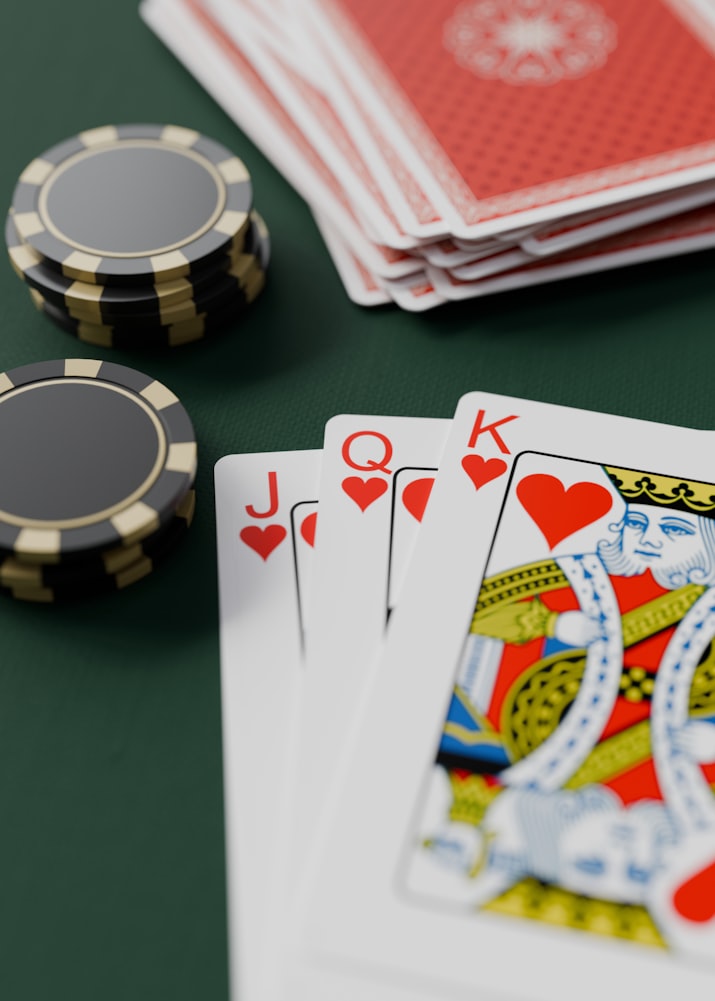
This allure is often compounded by the concept of “near misses,” where players come close to winning. This phenomenon elicits a psychological response that can reinforce the gambling behavior, making players more likely to continue betting in hopes of achieving that elusive win. The excitement of a near miss can sometimes outweigh the disappointment of losing, leading to repeated play and increased bankrolls.
Emotional Factors in Gambling
Emotions play a significant role in gambling behavior, influencing decisions and strategies at the casino. Many gamblers use gambling as a means to cope with stress, anxiety, or other negative emotions. The escapism that gambling provides can serve as a temporary relief, allowing individuals to forget their worries while they are in the gaming environment. Understanding the emotional components involved can enhance overall experiences.
Moreover, winning can evoke powerful feelings of joy and euphoria, reinforcing the behavior. This emotional high can lead to a cycle of gambling where players chase the high associated with wins, sometimes to their detriment. Understanding these emotional triggers is crucial for recognizing how they can lead to problematic gambling habits.
The Role of Cognitive Biases
Cognitive biases significantly impact gambling behavior, often skewing a gambler’s perception of reality. One of the most common biases is the illusion of control, where individuals believe they can influence outcomes in games of chance. This belief can lead players to engage in irrational betting behaviors, thinking they possess some skills or strategies that will improve their odds. Gaining knowledge on this can help mitigate some damaging effects.
Another critical bias is the gambler’s fallacy, the misconception that past events influence future outcomes in random games. For instance, a player may think that after a series of losses, a win is “due,” leading them to gamble further. These cognitive distortions can cloud judgment, causing players to make decisions contrary to statistical reality and increasing the likelihood of persistent gambling behavior.
Social Influences on Gambling
Social dynamics greatly affect gambling behavior, as individuals often gamble in groups or social settings, which can amplify their actions. The presence of peers can lead to increased risk-taking and a desire to conform to group norms, impacting how much money one is willing to bet. This social reinforcement can create an environment where gambling feels more acceptable and even encouraged.
Furthermore, casinos often create a communal atmosphere with group games and social events, fostering a sense of belonging among players. This can lead individuals to gamble more than they otherwise might, as the social aspect becomes intertwined with the game itself. Understanding these social influences can help in recognizing the broader context in which gambling behaviors occur.

Enhancing Your Knowledge with Training Resources
Organizations like New Horizons Learning Centres offer valuable resources to help individuals understand complex behaviors, not just in gambling but across various aspects of life. With over 500 courses focused on professional development and psychological insights, they provide training solutions that can enhance understanding of human behavior. Seeking education on this may reduce risks linked to gambling.
By exploring educational opportunities, individuals can gain insights into the psychological factors that drive behaviors like gambling. Whether through structured learning or tailored training solutions, gaining knowledge about human psychology can empower individuals to make informed decisions, potentially avoiding the pitfalls associated with gambling.